
When water enters your home or business, your first instinct is usually to grab towels and start drying. That’s understandable. But here’s what most people don’t realize: not all water is the same, and treating the wrong type of water damage as a simple inconvenience can put your family’s health at serious risk.
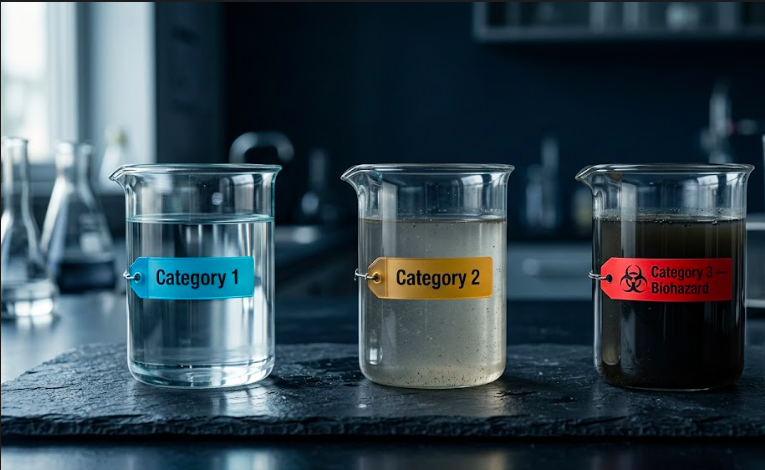
The restoration industry classifies water damage into three distinct categories based on contamination level. These categories defined by the IICRC S500 Standard for Professional Water Damage Restoration determine everything from the safety protocols required on-site to which materials can be saved and which must be discarded. Misidentifying your water category is one of the most expensive mistakes a homeowner can make.
This guide breaks down all three categories, explains which ones qualify as genuine health hazards, and tells you exactly when DIY isn’t enough.
The IICRC Water Damage Category System: Why It Exists
The Institute of Inspection, Cleaning and Restoration Certification (IICRC) developed the S500 standard as a universal framework for the restoration industry. Before this classification system existed, cleanup decisions were subjective two contractors might respond to the same sewage backup in completely different ways.
Today, every reputable restoration company uses these categories to:
- Determine the level of personal protective equipment (PPE) required
- Decide which building materials can be dried and saved vs. must be demolished and replaced
- Set disinfection and antimicrobial treatment protocols
- Document the damage correctly for insurance claims
Understanding these categories also empowers you as a homeowner. When a restoration crew arrives and tells you your carpet has to go, you’ll know why.
Category 1: Clean Water Low Risk, But Don’t Wait
What it is: Category 1 water originates from a sanitary source and does not pose a significant health risk at the point of entry. The IICRC S500 defines this as water that “originates from a sanitary water source and does not pose a substantial risk from dermal, ingestion, or inhalation exposure.”
Common sources:
- Broken water supply lines
- Toilet tank overflows (not the bowl)
- Sink or bathtub overflows (no contaminants)
- Malfunctioning appliances on clean water supply lines
- Rainwater before it contacts soil or building materials
The hidden danger of Category 1: Clean water doesn’t stay clean for long. Within 24 to 48 hours, Category 1 water sitting on drywall, carpet, or subfloor begins picking up bacteria, organic matter, and building contaminants and silently upgrades itself to Category 2. Temperature accelerates this process significantly. In Phoenix’s summer heat, that window shrinks even further.
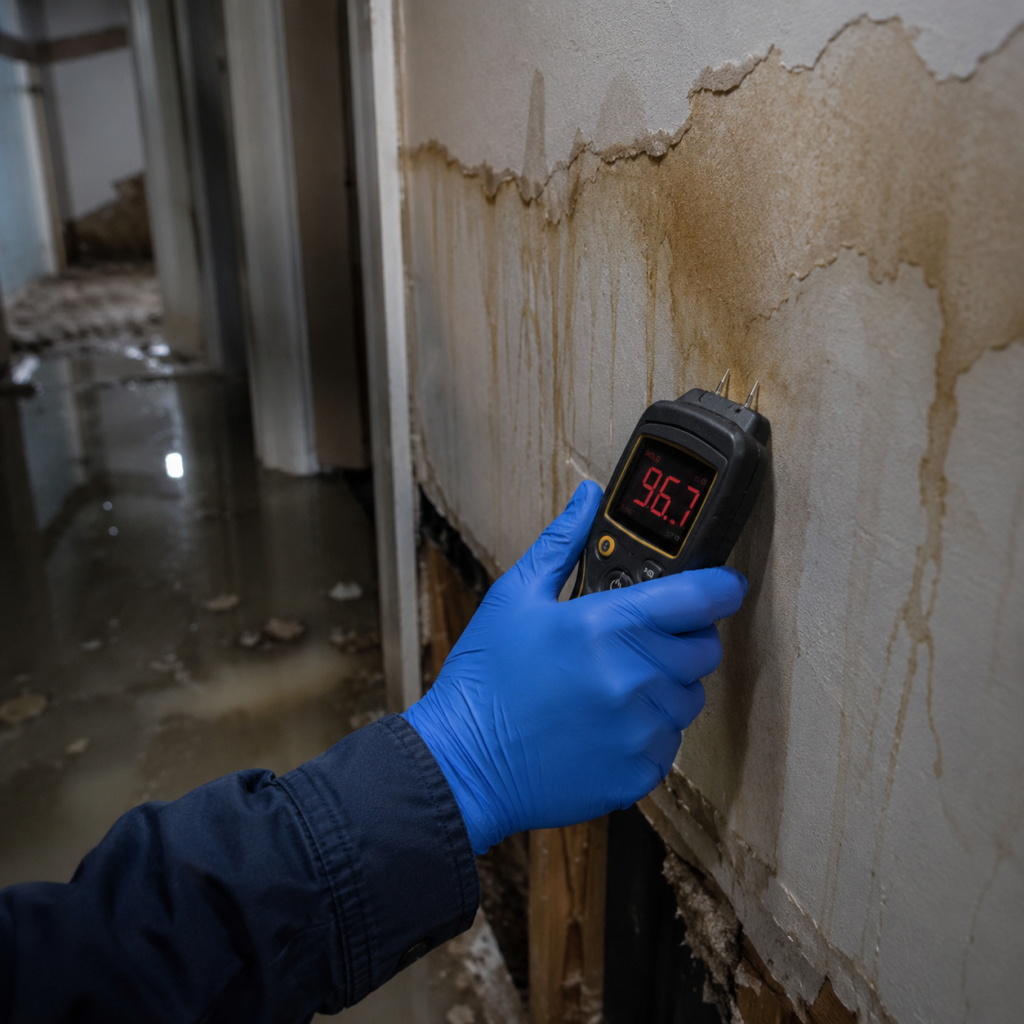
Can you DIY it? Small, contained Category 1 losses (a toilet supply line that dripped for an hour, caught quickly) may be manageable with shop vacuums and fans provided the area is fully dried within 24 to 48 hours and materials show no signs of contamination. Anything larger, or anything you’re not confident is 100% dry, warrants a professional call. Hidden moisture inside walls leads to mold, and mold remediation costs far more than drying equipment rental.
Category 2: Grey Water Significant Contamination Risk
What it is: Category 2 water contains significant contamination and has the potential to cause illness if contacted or consumed. The IICRC describes it as water that “contains significant contamination and has the potential to cause discomfort or sickness if contacted or consumed by humans.”
Common sources:
- Washing machine or dishwasher discharge
- Toilet bowl overflow with urine (no feces)
- Aquarium breaks
- Sump pump failures
- Seepage from hydrostatic pressure through foundation walls
Why Category 2 is dangerous: Grey water introduces microorganisms, chemical contaminants, and nutrient-rich organic matter into your building materials. Children, elderly residents, and immunocompromised individuals are at elevated risk from direct contact. Carpet padding exposed to Category 2 water almost always needs to be removed and discarded it cannot be reliably disinfected. Drywall that has absorbed grey water must also typically be cut out to the flood line.
Degradation factor: Like Category 1, grey water actively gets worse over time. Category 2 water that sits for 48 hours or more or contacts porous materials and builds up organic load upgrades to Category 3. This is a critical point for homeowners who delay calling for help.
Can you DIY it? No. Category 2 water requires proper containment, antimicrobial treatment, and professional-grade drying to prevent further contamination. If you attempt to clean it yourself without proper PPE, you risk skin, eye, and respiratory exposure to pathogens. Call our sewage backup cleanup and grey water team instead.
Category 3: Black Water A Genuine Biohazard
What it is: Category 3 is the highest contamination level and represents a genuine health hazard. The IICRC S500 defines this as water that is “grossly contaminated and can contain pathogenic, toxigenic, or other harmful agents and can cause significant adverse reactions to humans if contacted or consumed.”
Common sources:
- Sewage backups (toilet overflows with feces)
- Rising floodwater from storms, rivers, or hurricanes
- Water contaminated with soil, pesticides, or heavy metals
- Any standing water that has been present for more than 48–72 hours regardless of original source
What’s in black water: Category 3 water can carry E. coli, Salmonella, Hepatitis A, Legionella, and a range of other bacterial and viral pathogens. The CDC confirms that standing water in flood-damaged structures quickly becomes a breeding ground for bacteria and mold that pose serious health risks particularly to children, pregnant women, the elderly, and those with existing respiratory conditions.
The mold factor: Mold can begin colonizing porous materials drywall, insulation, wood framing, carpet within 24 to 48 hours under the right conditions. In warm, humid environments, that timeline is even shorter. Black water events almost always create mold conditions if not remediated within this critical window.
What Category 3 cleanup actually involves:
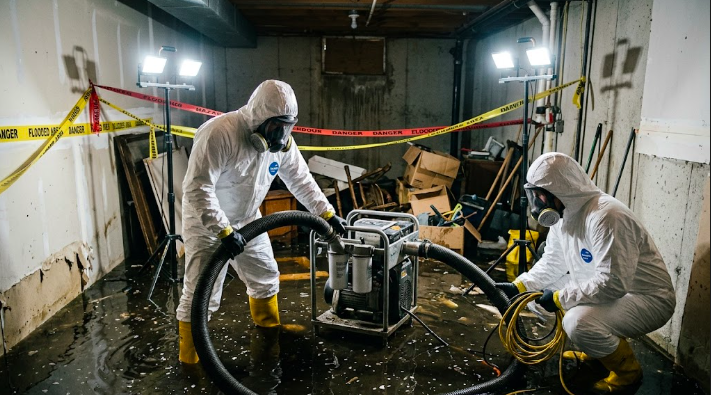
- Full PPE for all restoration workers (respirators, suits, gloves, eye protection)
- Negative air pressure containment to prevent contaminated particles from spreading
- Removal and disposal of all porous materials that contacted the water (drywall, insulation, carpet, pad, subfloor in severe cases)
- EPA-standard antimicrobial disinfection of all structural surfaces
- Air quality testing before and after
- IICRC WRT and AMRT-certified technicians on-site
Can you DIY it? Absolutely not. Category 3 water damage is treated the same as other biohazard events. Without proper containment and PPE, you risk serious illness. Our biohazard cleanup services in Phoenix follow all IICRC S500 and EPA protocols for Category 3 events.
The 48-Hour Rule: Why Waiting Destroys Your Options
The single most important variable in water damage restoration is time. The longer water sits, the worse the category, the higher the microbial load, and the more materials you lose.
Here’s how the degradation timeline typically works:
| Time Elapsed | What Happens |
|---|---|
| 0–1 hour | Water spreads and absorbs into porous materials |
| 1–24 hours | Category 1 can degrade to Category 2; mold spores begin activating |
| 24–48 hours | Mold begins visible growth; structural materials at risk; Category 2 degrades to 3 |
| 48–72+ hours | Full mold colonization possible; black water conditions develop regardless of original source |
This isn’t a scare tactic it’s material science. Wet drywall, insulation, and wood framing are ideal growth media for mold once moisture and warmth are present. The EPA and FEMA both emphasize drying within 24 to 48 hours as the critical intervention window for preventing long-term structural damage and health hazards.
Regional Note: Why Gulf Coast Homeowners Face Category 3 Events More Often
Here in Phoenix, our primary Category 3 risk comes from sewage backups and monsoon flooding that overwhelms drainage systems and forces contaminated stormwater into foundations and crawlspaces. Our desert climate also means mold grows faster than most people expect once water is introduced, our warm temperatures create rapid microbial growth conditions.
But it’s worth noting that homeowners along the Gulf Coast deal with Category 3 events at a far greater frequency due to hurricane activity, bayou flooding, and subtropical humidity. Cities like Lake Charles, Louisiana are routinely hit with large-scale flood events where rising storm surge and bayou overflow introduce contaminated flood water directly into residential structures classic Category 3 conditions by definition.
If you’re in Southwest Louisiana or the Lake Charles area and dealing with flood damage, water damage restoration in Lake Charles, Louisiana is handled by certified local specialists who understand the unique restoration challenges of that region’s storm-driven flood events.
How to Identify Which Category You’re Dealing With
You may not always know the source of your water damage immediately. Here are practical on-site indicators:
Signs it may be Category 1:
- Water is coming from a visible clean supply line
- No odor
- Water is clear and has been present for less than a few hours
Signs it may be Category 2:
- Water has a slight odor or discoloration
- Source is an appliance drain or toilet (no solids)
- Water has contacted soil or building materials before entering
Signs it’s Category 3:
- Visible sewage or solid waste present
- Strong odor of sewage or decomposition
- Water entered from outside (stormwater, rising flood, sewer backup)
- Water has been sitting for more than 48 hours regardless of original source
- Water appears dark, murky, or carries visible debris
When in doubt, always treat water damage as a higher category. The cost of overestimating contamination is extra caution. The cost of underestimating it can be demolition, mold remediation, and health consequences.
What to Do Right Now
If you’re dealing with active water damage:
- Stop the source if you can safely do so (shut off the main water supply).
- Do not enter standing water if you suspect sewage, stormwater, or extended exposure potential electrical hazards and Category 3 contamination make this dangerous.
- Document everything with photos and video before cleanup begins for insurance purposes.
- Call a certified restoration company immediately. Every hour matters.
- Do not run HVAC in affected areas it can spread mold spores and contaminated particles throughout your property.
Our hazard cleanup team is certified in IICRC protocols for all three water damage categories. Whether you’re dealing with a Category 1 burst pipe or a Category 3 sewage backup or flood event, we respond 24/7 with the right equipment, the right training, and the right documentation to protect both your property and your insurance claim.
Contact our hazard cleanup team for immediate response in Phoenix and surrounding areas.
Leave a Reply